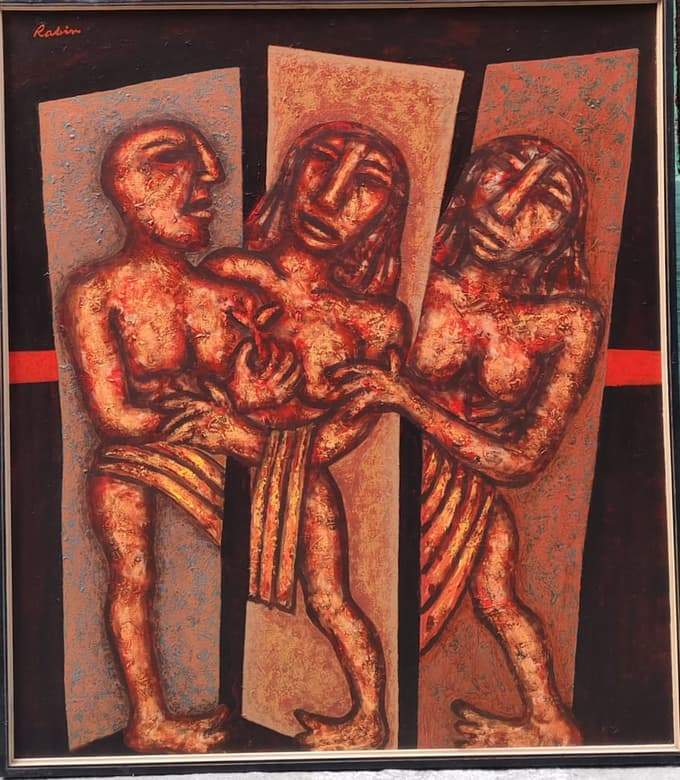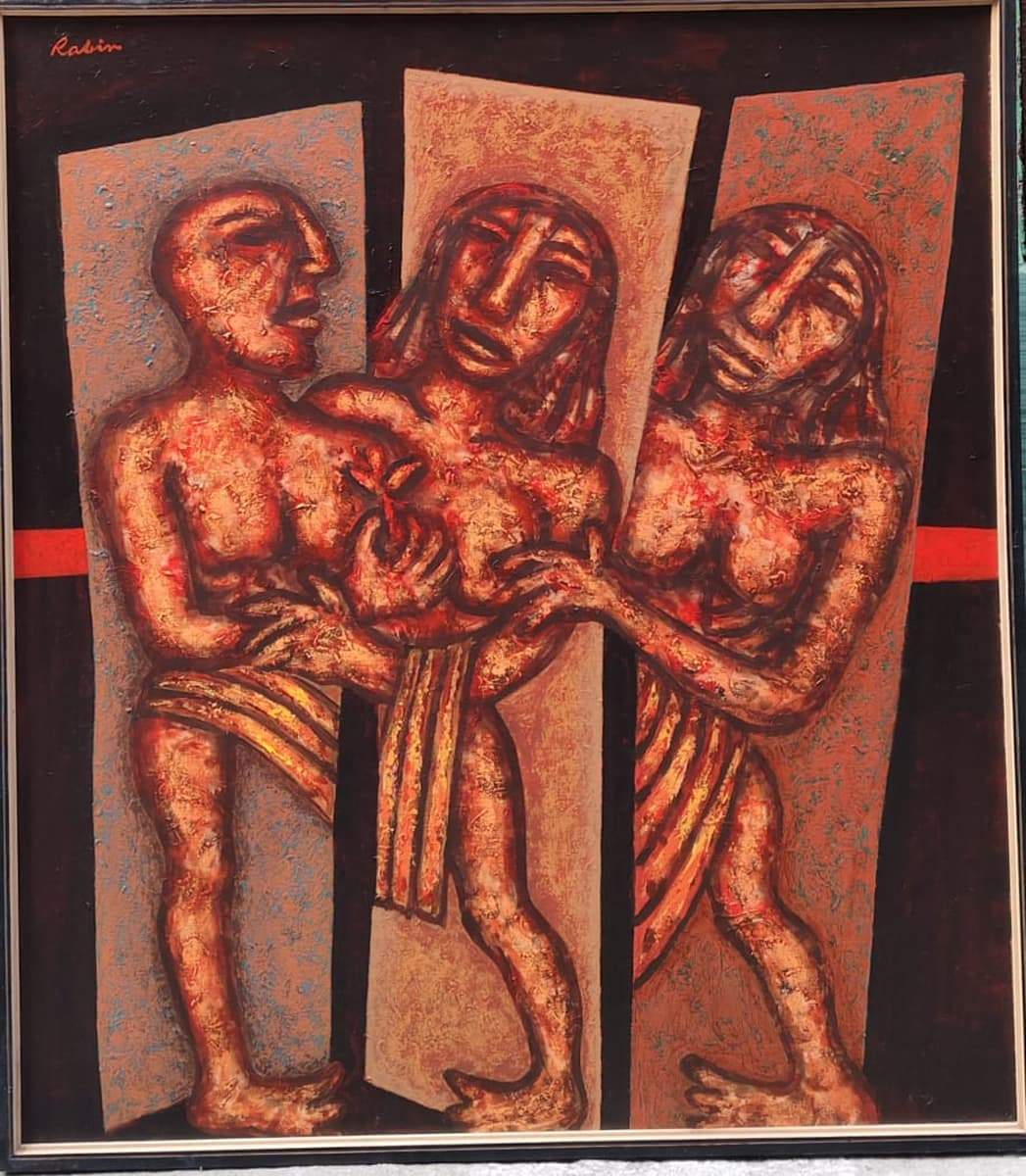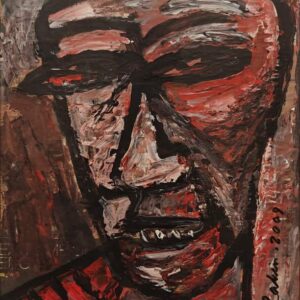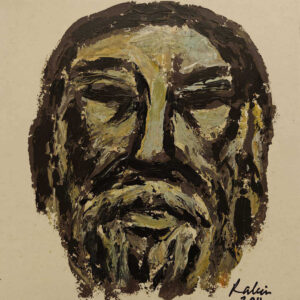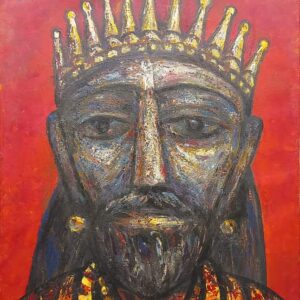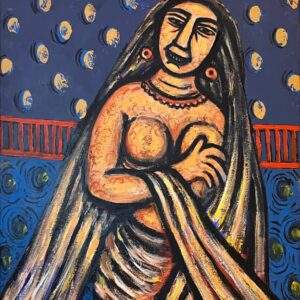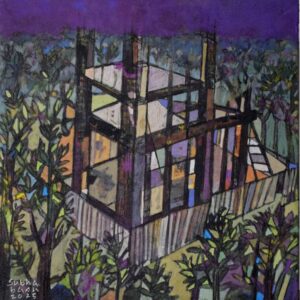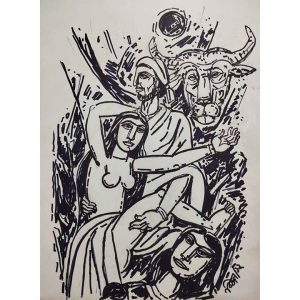
Rabin Mondal | Untitled | Acrylic on Canvas | 48 x 48 inches
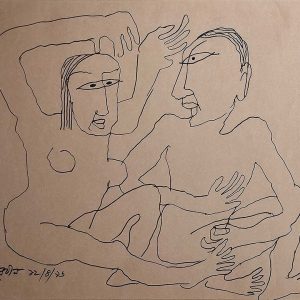
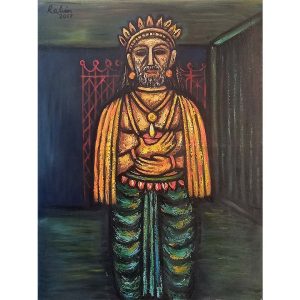
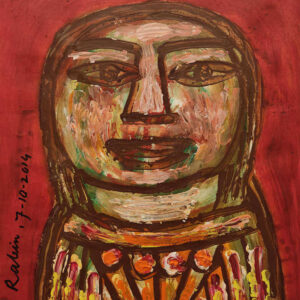
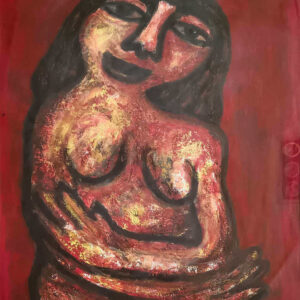
This striking composition explores the complexities of human relationships through three interconnected figures rendered in an expressive and emotionally charged style. The artwork is rich with texture, movement, and symbolism, drawing viewers into a narrative that feels both deeply personal and universally relatable. Rather than presenting a literal scene, the artist creates an atmosphere of emotional tension and connection, inviting multiple interpretations.
The three figures appear entwined in a delicate interplay of touch, gesture, and presence. Their elongated forms and contemplative faces convey a sense of vulnerability, longing, and shared experience. Set against contrasting vertical panels, the composition creates a visual rhythm that both separates and unites the figures, suggesting themes of intimacy, individuality, and human dependence. The earthy palette of reds, ochres, and browns adds warmth while reinforcing the emotional depth of the work.
The heavily textured surface gives the painting a sculptural quality, enhancing its raw energy and expressive character. Every mark and layer contributes to a feeling of lived experience, transforming the canvas into a powerful exploration of human emotion. The artwork speaks of relationships, companionship, desire, and the fragile bonds that connect people, making it a compelling and thought-provoking addition to any serious collection.
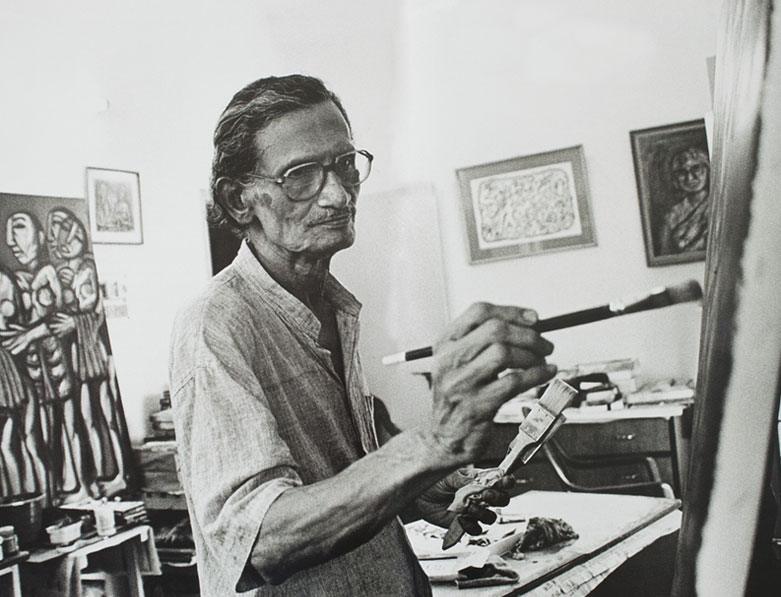 Rabin Mondal was inspired by primitive and tribal art, its potent simplifications and raw energy.
If you’d prefer the artwork to arrive ready to hang, please get in touch with us to arrange framing and shipping at applicable charges.
Please note: Customs duties and import taxes may apply at your destination in accordance with your country’s regulations. Refer to our International Shipment document for guidance and support.
| Medium | |
|---|---|
| Height | |
| Width | |
| Surface | |
| Style |